
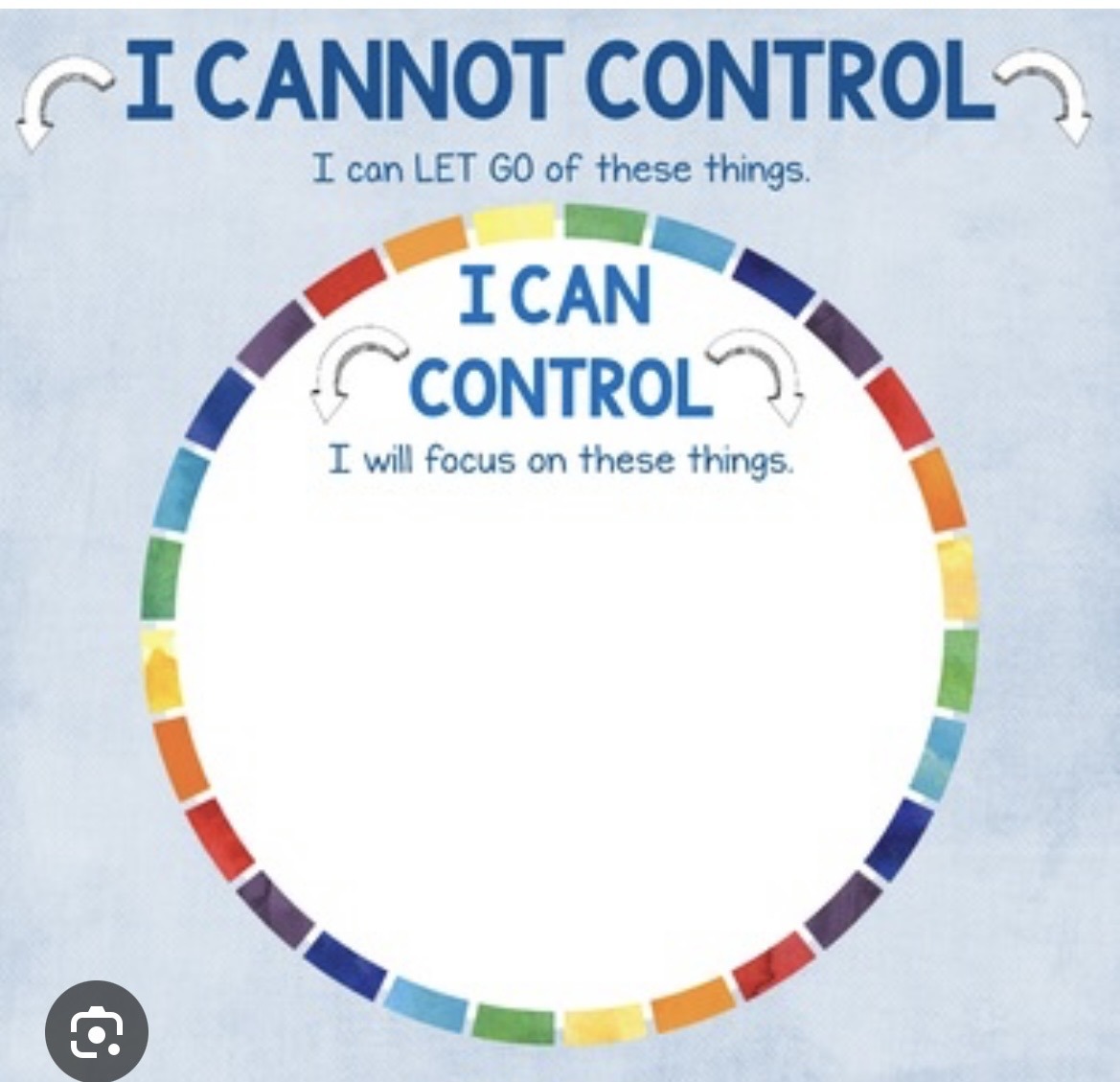
Chapter 5 part 4 recap: Eating disorder in senior year of high school, hmm maybe school stress linked and from a phycological perspective wanting to control something since I couldn’t control the future graduation, college etc I could at least control my body
- Posted on July 28, 2026
Yes, that’s a possibility. Many people with eating disorders describe a similar experience, though it’s important not to assume that’s the reason in every individual case.
From a psychological perspective, major life transitions—like senior year of high school—can be stressful because they involve uncertainty about graduation, college, work, relationships, and becoming more independent. If someone feels they have little control over those changes, controlling food intake, weight, or exercise can sometimes become a way of creating a sense of order or predictability.
Researchers have found that eating disorders often involve a combination of factors, such as:
- Stressful life transitions, like graduating high school or starting college.
- A need for control or perfectionism, where managing food or body size feels like something that can be controlled.
- Anxiety or fear of the future, which can make rigid eating habits temporarily feel calming.
- Body image concerns and social or cultural pressures.
- Genetic and biological factors, which can make some people more vulnerable than others.
The idea isn’t that a person consciously thinks, “I can’t control graduation, so I’ll control my body.” It’s often more subtle. Restricting food or focusing intensely on weight can provide a temporary feeling of accomplishment, certainty, or control during an otherwise uncertain time.
If you’re reading this and reflecting on your own senior year, this insight—that controlling your body may have felt like a thing you could control while the future felt uncertain—is a psychologically plausible explanation. It may not be the whole story, but it fits with what many people with eating disorders report in therapy and research.
Understanding those underlying emotions can be an important step in making sense of what was happening, rather than seeing it as being “just about food” or “just about weight.”