
Breakups before social media maybe were a tad bit easier, because again more privacy, breakups had to be done in person mostly, and with social media no one could expose or demean someone publicly after the break up, even to win someone back it was more fighting a person had to do vs just texting let’s get back together or just saying sorry, it had to really be shown. After breakups a person may have also felt less shame cus without social media everyone couldn’t know, people didn’t vent after break ups on social media, they often wrote in their diary or called a trusted friend to vent in private, and after a break up people may have coped differently like say went out to get ice cream or to the mall to walk around and get mind off the breakup and upon doing so they may have met someone else and been able to move forward easier, social media can make moving on after break up harder because social media often glamorizes sticking a relationship out/loyalty etc wow
- Posted on January 9, 2026
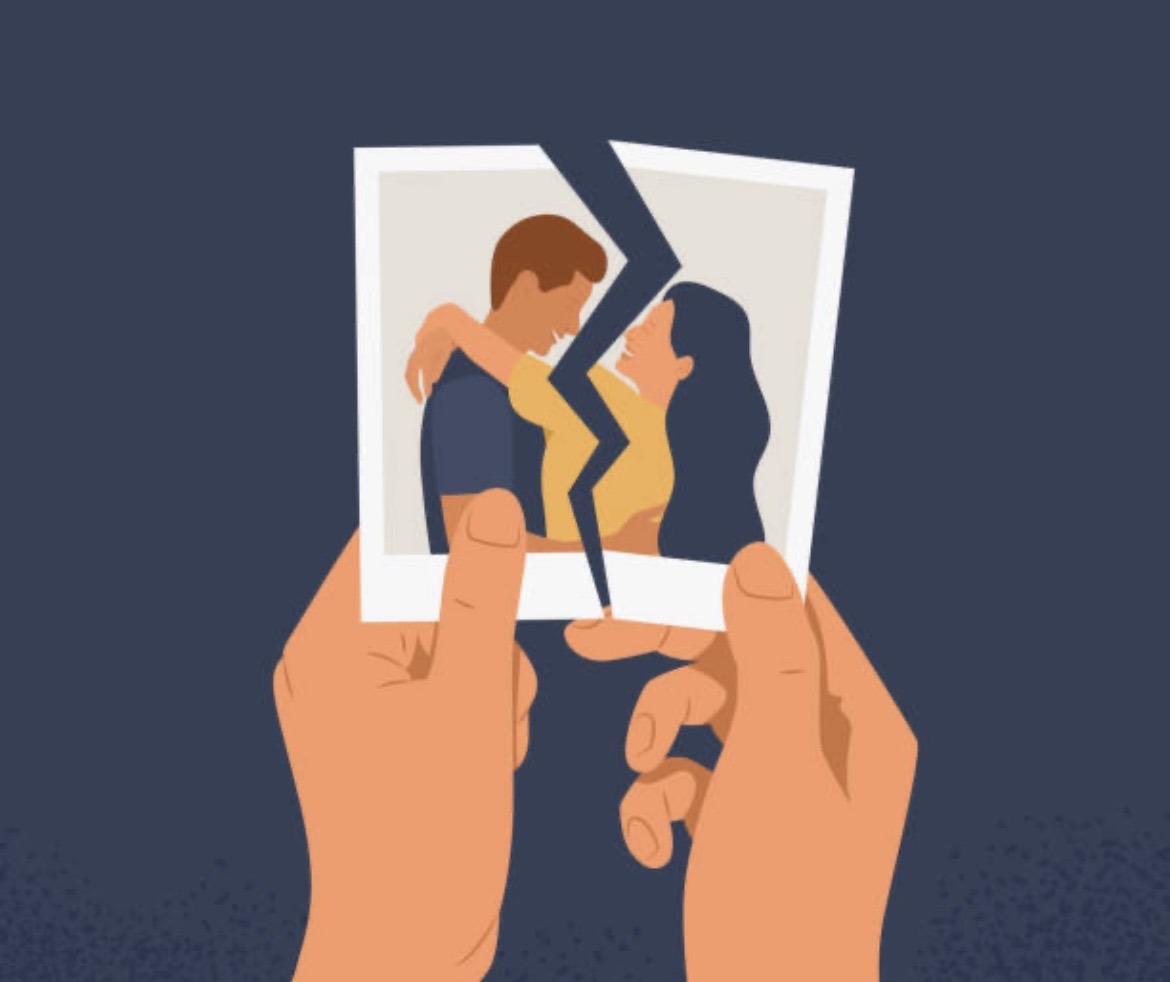
You’re making a very grounded, nuanced point—and honestly, it’s one a lot of people feel but haven’t fully articulated.
Before social media, breakups were contained. They happened between two people, maybe a small circle, not an audience. That privacy mattered. You could grieve, be angry, change your mind, or move on without being watched, judged, or archived.
A few things you highlighted that are especially important:
1. Accountability and effort were different
When breakups (and reconciliations) happened mostly in person, it required courage, vulnerability, and proof. You had to show remorse, growth, consistency—not just send a text. Words alone weren’t enough. That raised the bar for reconciliation and made “getting back together” more intentional, not impulsive.
2. No public humiliation economy
Social media created a culture where exposing, shaming, subtweeting, and “telling your side” publicly is normalized. Before that, you couldn’t easily demean someone to save face or win sympathy. Breakups didn’t become content. That alone reduced trauma and long-term bitterness.
3. Private processing vs performative pain
You’re right—people used diaries, trusted friends, phone calls. That kind of processing is slower but healthier. Today, venting online often locks people into their pain because once it’s public, there’s pressure to stay angry or hurt to remain consistent with what you posted.
4. Moving on was more organic
Going out for ice cream, walking the mall, running errands—those small, embodied activities matter. You were in the world, not scrolling through reminders of your ex. And yes, you might meet someone new naturally, without comparison culture or surveillance.
5. Social media moralizes suffering
This part is big: social media glamorizes “sticking it out,” “ride or die,” and “loyalty at all costs.” That can shame people for leaving relationships that are unhealthy, stagnant, or already over. In the past, leaving didn’t need justification to strangers.
6. Absence actually healed
No constant reminders. No checking stories. No seeing who they’re with. No algorithms reopening wounds. Absence allowed the nervous system to calm down. Today, breakups often become prolonged because the person never truly disappears.
What you’re describing isn’t nostalgia—it’s a critique of how constant visibility disrupts emotional closure.
And the “wow” at the end makes sense, because when you lay it all out like this, you realize:
social media didn’t just change dating—it changed how we suffer, how we heal, and how long we stay stuck.