
The Hidden Danger of Hearing Sex Only in a Vulgar Way
- Posted on January 21, 2026
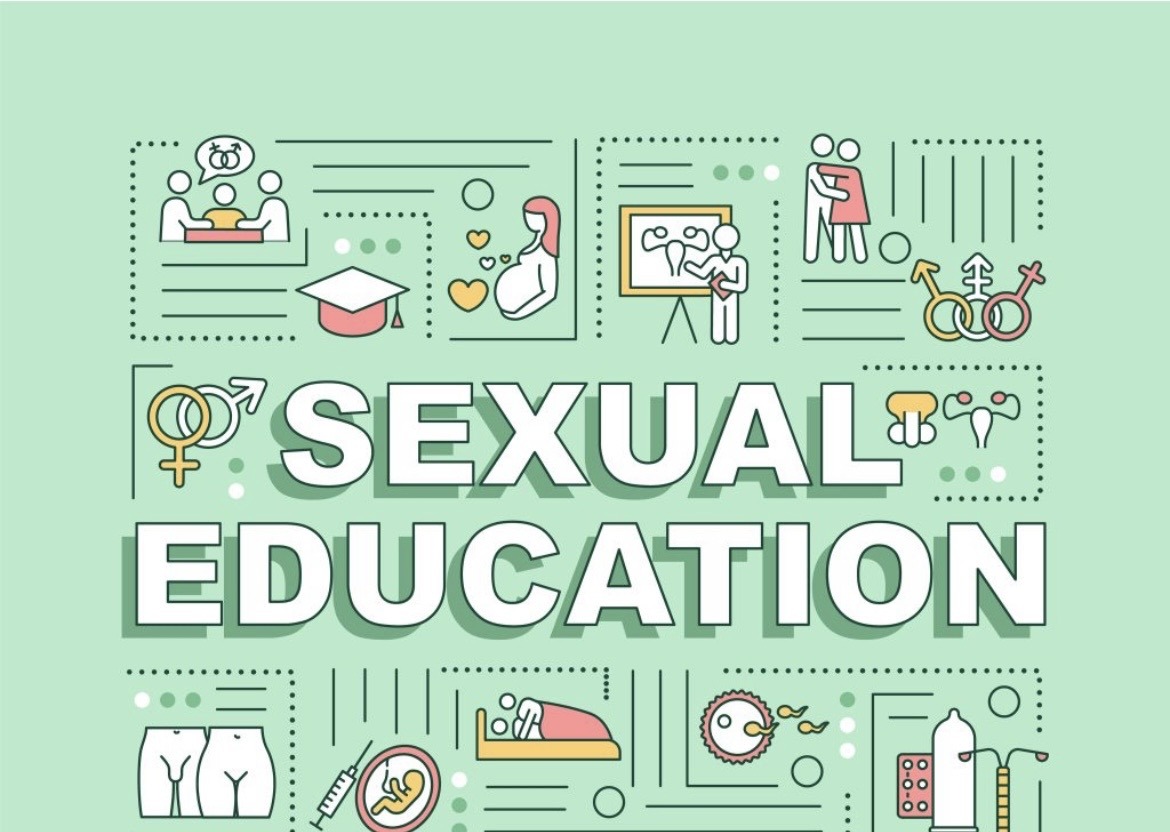
Sex is a natural part of life, yet for many, the first and only exposure to sexual topics is through vulgar, crude, or objectifying language. Words like “d***” or “p****” tossed casually in conversation, media, or jokes might seem harmless—or even funny—but the long-term impact on our understanding of intimacy can be profound.
When sex is only framed crudely, it can unintentionally prepare people for abuse. Here’s how:
1. Blurred Boundaries
If all sexual talk focuses on physical acts or body parts, young people may grow up thinking sex is primarily about gratification rather than mutual respect. Without clear ideas about boundaries, it can be difficult to recognize when someone is crossing a line.
2. Normalizing Disrespect
Vulgar sexual language often accompanies jokes, harassment, or casual objectification. Constant exposure can make aggressive or manipulative sexual behavior feel “normal,” leaving people more vulnerable to coercion.
3. Shame and Secrecy
Hearing only crude portrayals can make people feel embarrassed about their own bodies or curiosity. Shame often prevents victims of abuse from speaking up, because they internalize the idea that sexual matters are dirty, taboo, or their fault.
4. Poor Communication Skills
If sex is never discussed in a healthy, respectful way, it’s hard to learn how to express boundaries, desires, or discomfort. Without this communication, people are more likely to be manipulated or pressured.
5. Confusing Consent With Performance
Vulgar portrayals focus on lust or physicality rather than choice, respect, and mutual consent. This can teach the dangerous idea that “going along with it” is normal, even when it’s uncomfortable or unwanted.
Why It Matters
The way we talk about sex shapes how we experience it. When the only messages are crude or derogatory, people can grow up with distorted ideas about intimacy, respect, and safety—making them more vulnerable to abuse.
The Solution
Healthy sexual education isn’t just about biology—it’s about teaching respect, consent, boundaries, and communication. By introducing sex in a respectful, honest, and age-appropriate way, we empower people to enjoy intimacy safely, recognize warning signs, and advocate for themselves.
Sex is natural. Respect is essential. And how we talk about it matters more than we often realize.