
Why Many People Don’t Realize Marital Rape Is Real
- Posted on March 16, 2026
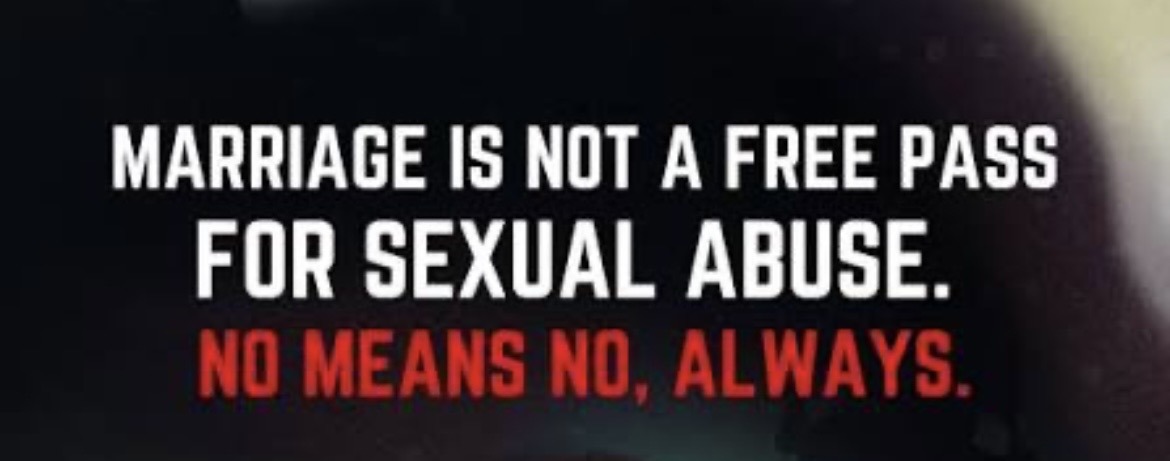
When many people think about marriage, they imagine romance, intimacy, and passion between two people who love each other. Because of this image, a lot of people struggle to understand that rape can happen within a marriage.
Part of this misunderstanding may come from the way marriage is publicly celebrated. Think about a typical wedding reception. The bride and groom are often dancing closely, flirting, laughing, and sometimes behaving in a very sensual or playful way with each other. It’s all seen as fun, romantic, and exciting. Guests cheer them on, and the energy in the room is usually filled with heightened emotions—joy, celebration, and sometimes even alcohol.
In moments like that, people naturally assume that sexual interaction between spouses is automatic and always welcomed. You rarely see a moment during a wedding celebration where someone says, “Hey, I’m not comfortable with this,” or “Let’s stop here.” The environment is designed to celebrate closeness and attraction between the couple.
Because of these cultural images, many people grow up believing that sex is simply a built-in part of marriage—something that doesn’t require ongoing consent.
But the reality is very different.
Marriage does not erase a person’s right to bodily autonomy. Being married does not mean someone has permanent or automatic consent to their partner’s body. Consent still matters, even between spouses. A person can still say no, change their mind, feel uncomfortable, or simply not want intimacy at a given moment.
Another important factor is heightened emotional states. Weddings themselves are filled with excitement, pressure, nerves, and sometimes alcohol. When people are in intense emotional states—whether excitement, anxiety, intoxication, or overwhelm—it can affect their ability to clearly process or communicate consent.
Yet society often overlooks these realities because the cultural story about marriage focuses so heavily on romance and sexual closeness.
This misunderstanding has real consequences. For many years, laws and social attitudes treated marriage as if it gave one partner permanent sexual access to the other. That belief caused countless survivors to feel confused about their experiences or afraid to speak up, because they were told that what happened to them “couldn’t be rape” if it happened within marriage.
But the truth is simple: consent does not disappear after a wedding.
Healthy intimacy in marriage, just like in any relationship, requires mutual respect, communication, and the freedom for both people to choose what they are comfortable with.
Recognizing that marital rape exists is not an attack on marriage. Instead, it protects the dignity, safety, and autonomy of the people within it.