
When Honest Testimony Becomes a Stereotype Trap
- Posted on February 18, 2026
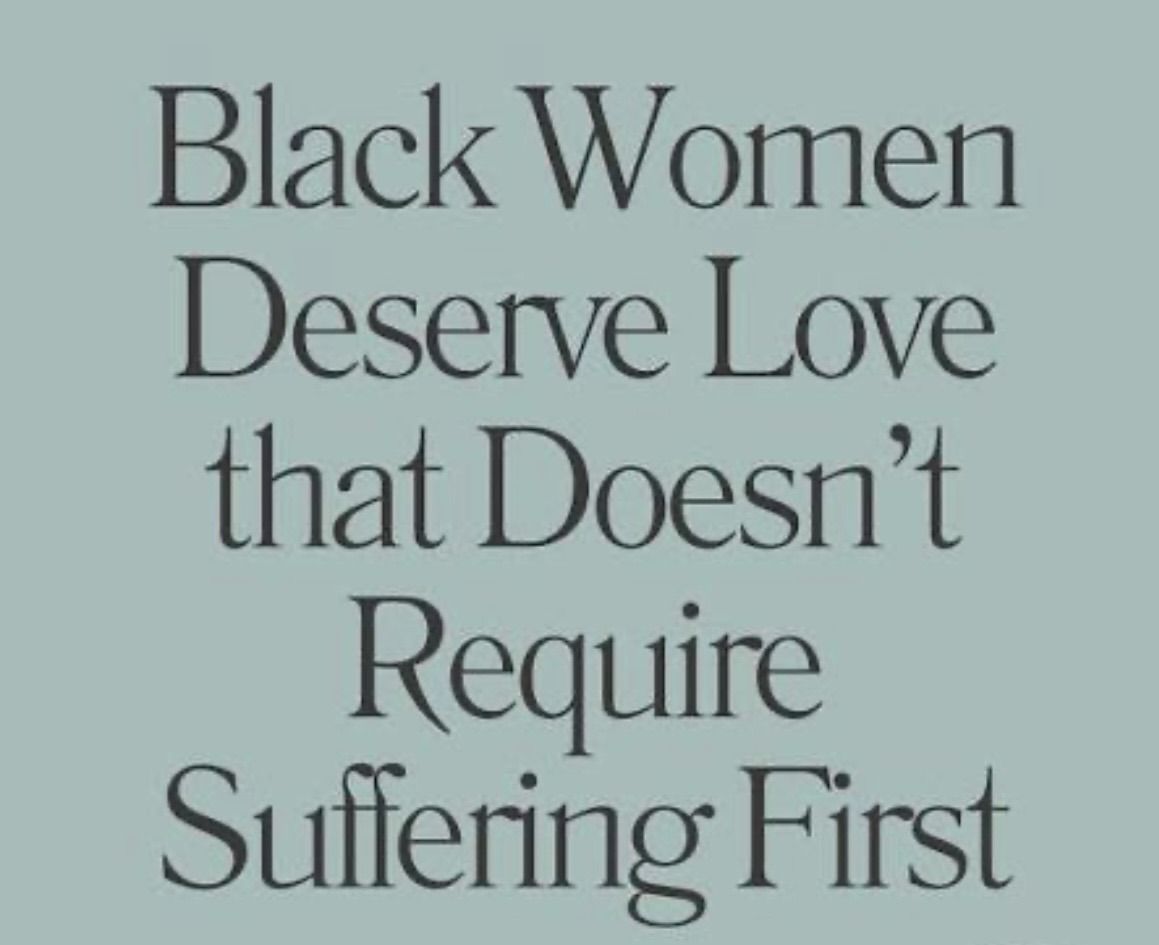
I recently heard a black female pastor preach about her personal struggles with dating and waiting to get married. She spoke honestly about her journey, her patience, and the emotional challenges she faced. On the surface, there’s nothing wrong with her honesty—it’s her story, her truth.
But here’s the catch: she was the only black woman openly talking about these struggles, while other single women, including older white women, weren’t highlighted in the same way. Suddenly, her personal story risks being perceived not as one woman’s experience, but as a reflection of all black women.
This taps into a harmful stereotype: the idea that black women can’t be loved properly, must endure difficult relationships, or are destined to struggle in love. These stereotypes are limiting, unfair, and not reflective of reality. Relationship struggles happen across all races—black women are not uniquely doomed—but when preaching frames it otherwise, it keeps people boxed in.
The lesson here isn’t to silence honesty; it’s to be mindful of context and representation. Testimonies are powerful, but when only certain voices are amplified in ways that reinforce stereotypes, even unintentionally, they shape perceptions about an entire group.
We need diversity in storytelling—acknowledging struggles without racializing them—so that everyone’s experience is validated, but no one is confined to a societal narrative that isn’t theirs alone.