
When Black Parents Tear Down Their Own: The Quiet Harm of Policing Black Hair
- Posted on January 22, 2026
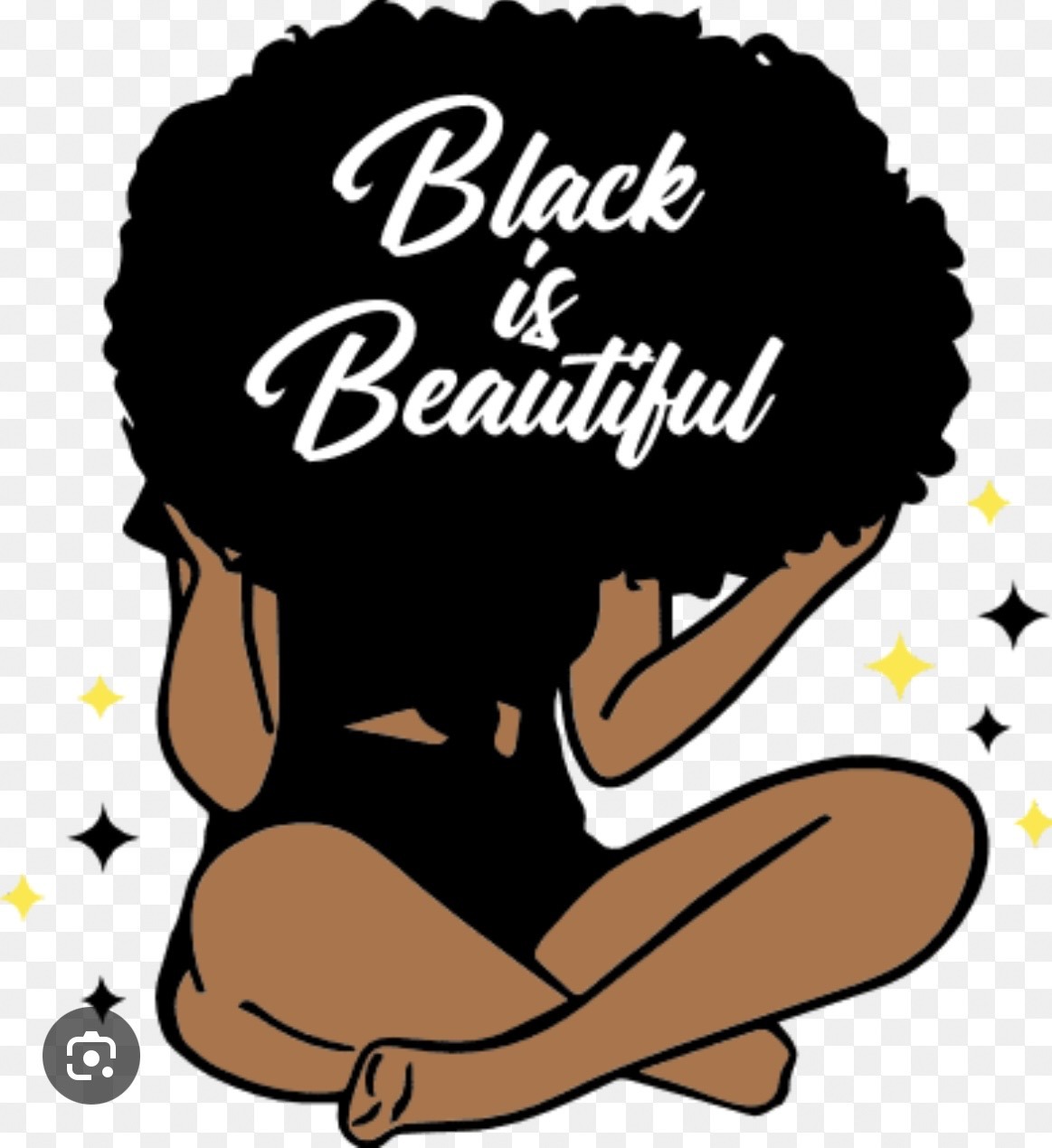
I remember a few years ago, I was wearing my hair natural. It was short. Kinky. Coily. Just how it grows out of my head.
My own father looked at me and said I needed to “keep my appearance up better.”
It didn’t sound like an insult. It wasn’t loud. It wasn’t aggressive. It was subtle.
But I heard what it really meant.
What I heard was:
Your natural Black hair isn’t good enough.
The Hidden Message Behind “Fix Your Hair”
In Black communities, comments about hair are rarely just about style. They carry generations of meaning. When someone says your hair looks “unkempt,” “messy,” or “needs to be done,” what they often mean is:
- Your hair is too Black
- Your hair doesn’t fit a standard that was never made for you
- Your natural self needs to be corrected to be acceptable
These ideas didn’t start with us—but they’ve been passed down inside our families, sometimes without being questioned.
So when a Black parent says it to their child, it cuts deeper. Because home is supposed to be the place where you don’t have to perform, explain, or shrink.
How This Shapes Black Sons and Daughters
Moments like this don’t just affect how we wear our hair. They affect how we see ourselves.
They quietly teach us:
- That our natural features need improvement
- That beauty is something external, not inherent
- That acceptance comes from fitting a mold, not breaking it
Over time, this can turn into self-policing. We start checking ourselves before anyone else can. We start wondering if we’re “too much,” “too natural,” “too visible.”
Survival vs. Self-Love
Many Black parents grew up in a world where appearance wasn’t just about preference—it was about survival.
Looking “polished” often meant:
- Being taken more seriously
- Being treated more safely
- Being given more opportunities
In that context, straightened hair, controlled hair, “neat” hair became a kind of armor.
But what protected one generation can wound the next.
Because when survival rules get passed down without being reexamined, they can turn into messages of shame instead of protection.
What Natural Hair Really Represents
For many of us, wearing our hair natural isn’t just a look. It’s a statement.
It says:
- I accept myself as I am
- I don’t need to erase my features to be worthy
- I honor where I come from
It’s not rebellion. It’s reclamation.
What I Wish I Had Heard Instead
I didn’t need a critique.
I didn’t need a standard.
I needed:
“You look good. You look like yourself.”
Because that’s what every Black child deserves—to grow up knowing their natural body, their natural hair, their natural presence is not a problem to fix.
Breaking the Cycle
We don’t have to pass this down.
We can be the generation that says:
- Your hair doesn’t need permission to exist
- Your Blackness doesn’t need softening to be beautiful
- Your natural self is not a liability—it’s a legacy
Loving our children, our siblings, and ourselves out loud might be the most powerful way we undo what history tried to teach us to hide. Funny I have a big Afro wig that I wear from time to time and people at my church loveeeeee it, I get a billion compliments from other black people! Moral of the story: the right people will accept you for you! Amen!