
One of the most harmful myths I’ve heard is women saying that drinking alcohol “led” to them getting pregnant—as if alcohol itself is the cause. In reality, alcohol itself does not cause pregnancy. What it does do is impair judgment, lower inhibitions, and affect a person’s ability to think clearly and make safe, informed decisions.
- Posted on April 3, 2026
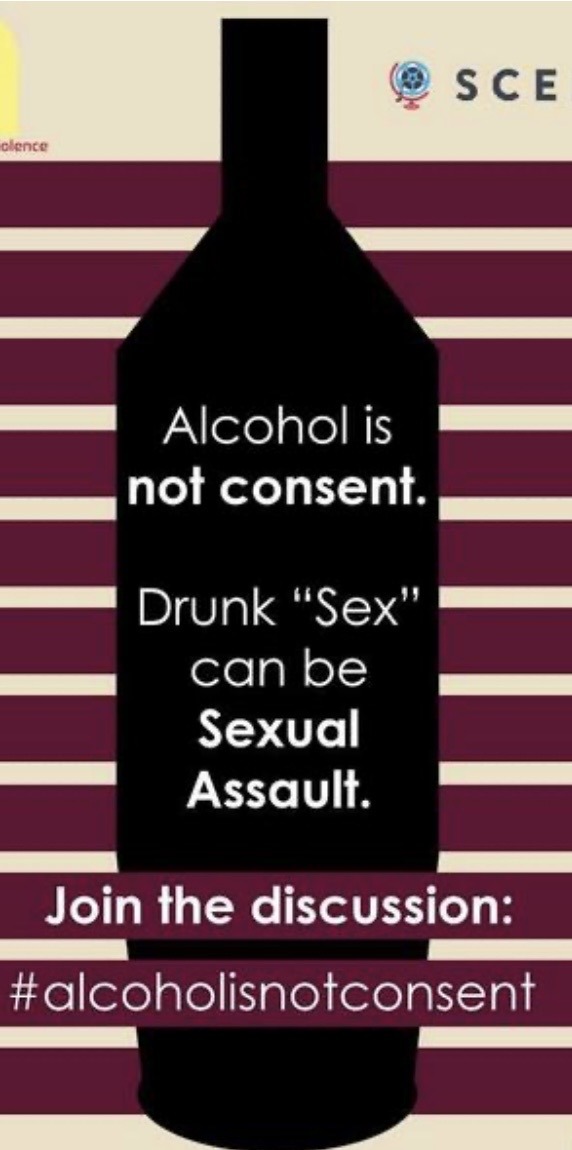
During sexual encounters, alcohol can blur the lines of consent. A person who is intoxicated may agree to things they would not normally agree to while sober. They may forget to use contraception, misuse it, or feel pressured in ways they can’t properly process in that moment. This is not simply a matter of “bad decisions”—it can be a situation where true consent was never fully present.
Consent is not just about saying “yes.” It must be clear, informed, and freely given. When someone is significantly impaired by alcohol, their ability to give that kind of consent is compromised. In those situations, what may appear on the surface as agreement can, in reality, be a violation.
This is why it’s important to understand that some pregnancies that occur in these contexts are not just accidental—they can be the result of sexual coercion or assault. When someone engages in sexual activity with a person who is too intoxicated to fully understand or agree, that responsibility does not fall on the impaired person.
We have to shift the conversation. Instead of placing blame on women for drinking or framing pregnancy as the consequence of alcohol, we need to talk about awareness, responsibility, and respect for boundaries. Alcohol doesn’t create consent—and it never replaces it.