
I remember being in 9th grade, wearing a fuchsia-burgundy lipstick I liked. It wasn’t anything extreme—just makeup, just expression, just me trying out color the way a lot of teenagers do.
- Posted on April 26, 2026
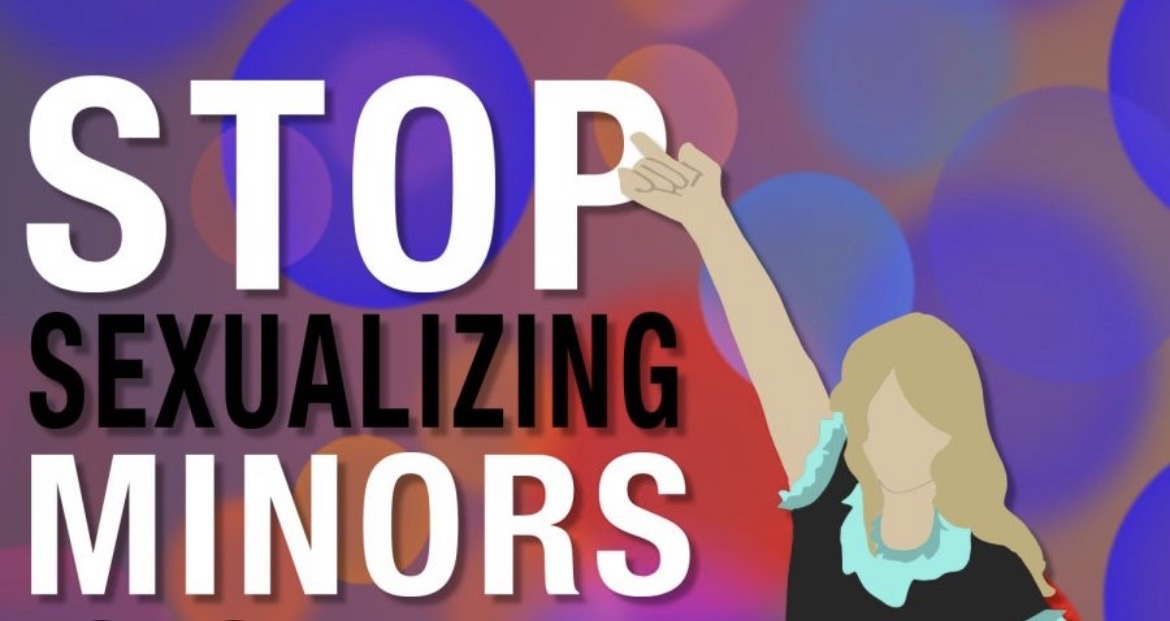
But a teacher—who was a lighter Black woman—called it “fast.”
That word stayed with me.
Not because lipstick is important in itself, but because of what that moment quietly communicated: that my appearance wasn’t being read as neutral, or playful, or age-appropriate experimentation. It was being read through a lens of judgment. A moral lens. A sexualized lens.
And what’s complicated is how early that kind of reading can start for Black girls.
There’s a term for it in research now: adultification. It describes how Black girls are often perceived as older, more mature, and more responsible than they really are. But it’s not just about being seen as “mature in a good way.” It can also mean being seen as too grown, too suggestive, too aware—before you even understand what those ideas fully mean.
That’s what made the lipstick comment land the way it did. I wasn’t being corrected for breaking a rule. I was being assigned a character.
What I didn’t have language for at the time was how uneven that lens can be. The same lipstick, the same shade, the same face can be read completely differently depending on who is wearing it, what assumptions are already attached to them, and how safe or unsafe they are to judge in that moment.
Sometimes it shows up as praise. Sometimes as silence. And sometimes as policing disguised as concern.
Looking back, what stands out most isn’t even the word “fast.” It’s how quickly a teenage choice—color on lips, nothing more—became something interpreted as meaning something about me. Not style. Not age. Not curiosity. But implication.
And when that happens repeatedly, it shapes how you learn to see yourself in spaces where you’re supposed to be growing up, not being evaluated.
Now, with distance, I can name what I couldn’t name then: I was a kid expressing myself. The reaction said more about the assumptions in the room than it did about me.
And I think that’s the part worth sitting with—not just what was said, but how easily girls can be read through stories they never agreed to carry.