
Children and Boundaries: Teaching Them They Can Say “No” to Anyone
- Posted on March 15, 2026
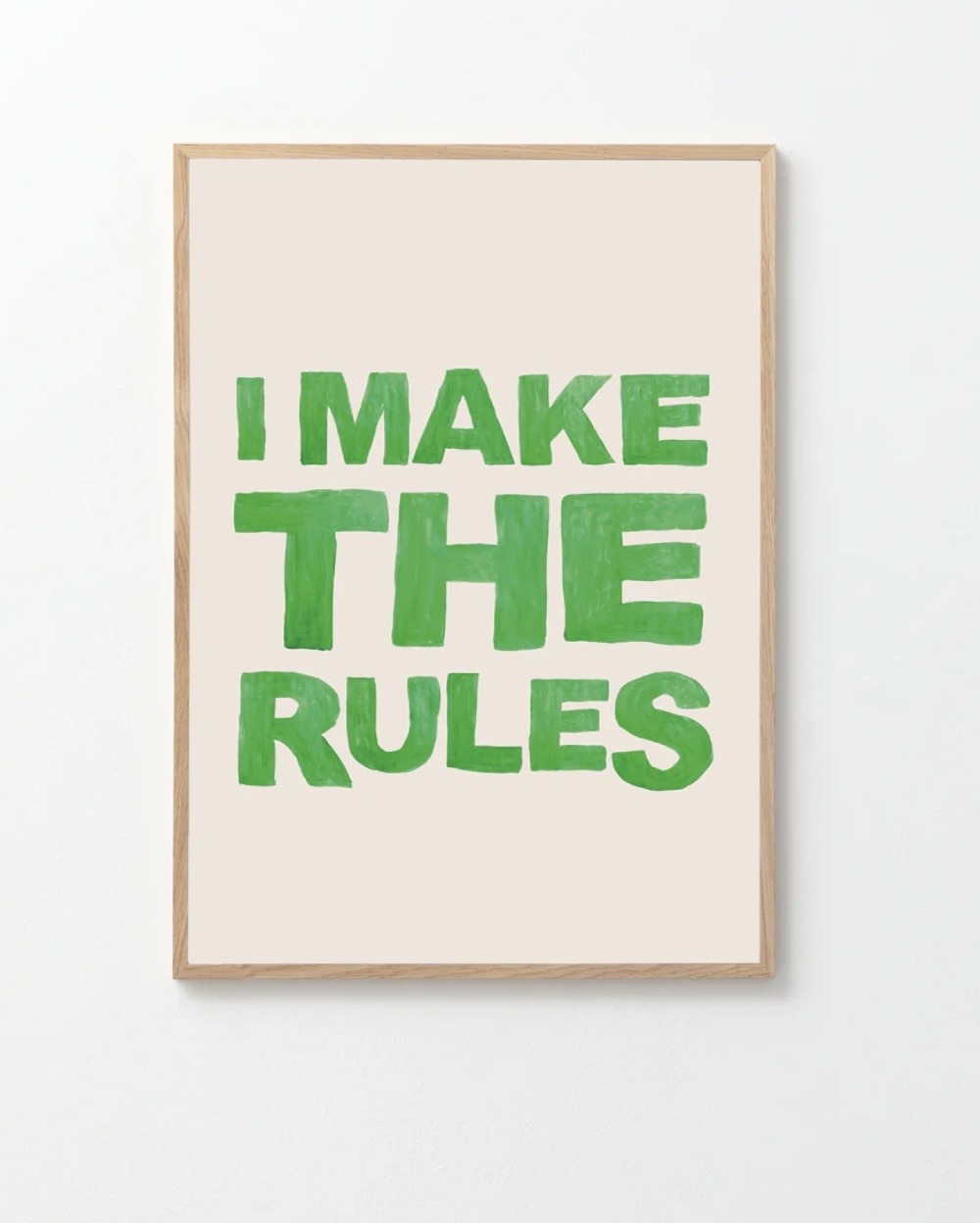
One of the most important lessons a child can learn is that their body, feelings, and space belong to them. Too often, adults—whether parents, relatives, teachers, or pastors—are viewed as “untouchable” authorities. But the truth is, boundaries apply to everyone. Children should be taught that they can set limits with anyone, regardless of age or status.
Why Boundaries Matter
Boundaries are not about being rude or rebellious—they’re about self-respect, safety, and emotional health. Teaching children to communicate their limits helps them:
- Protect themselves from physical and emotional harm
- Develop confidence and assertiveness
- Understand that their feelings matter
When children see that boundaries are normal and respected, they grow up knowing it’s okay to say “no” when something doesn’t feel right.
Boundaries Apply to Everyone
Some adults may assume that authority gives them the right to overstep. But a child’s right to safety and comfort never goes away. This includes:
- Parents or caregivers: Even those who love them can overstep, and it’s healthy for children to communicate their needs.
- Teachers and pastors: Respecting authority doesn’t mean giving up personal boundaries.
- Relatives and friends: Children should know it’s okay to refuse hugs, touching, or activities that make them uncomfortable.
How to Teach Boundaries
- Model healthy boundaries: Children learn what’s normal by observing adults.
- Give them words: Teach phrases like “I don’t like that,” “Please stop,” or “I need a break.”
- Practice through role-play: Simulate situations with family, friends, or authority figures so children feel confident expressing limits.
- Reassure them: Let children know it’s okay to seek help if someone reacts negatively to their boundary.
The Lifelong Benefits
Teaching children that boundaries are universal builds emotional intelligence, self-respect, and safety awareness. It reduces the risk of manipulation, abuse, or toxic relationships later in life.
Boundaries are not a punishment or a privilege—they’re a right everyone has, from the youngest child to the oldest adult. By empowering children with this knowledge, we are helping them grow into confident, healthy, and resilient adults.