
I felt powerless after my rape
- Posted on December 4, 2025
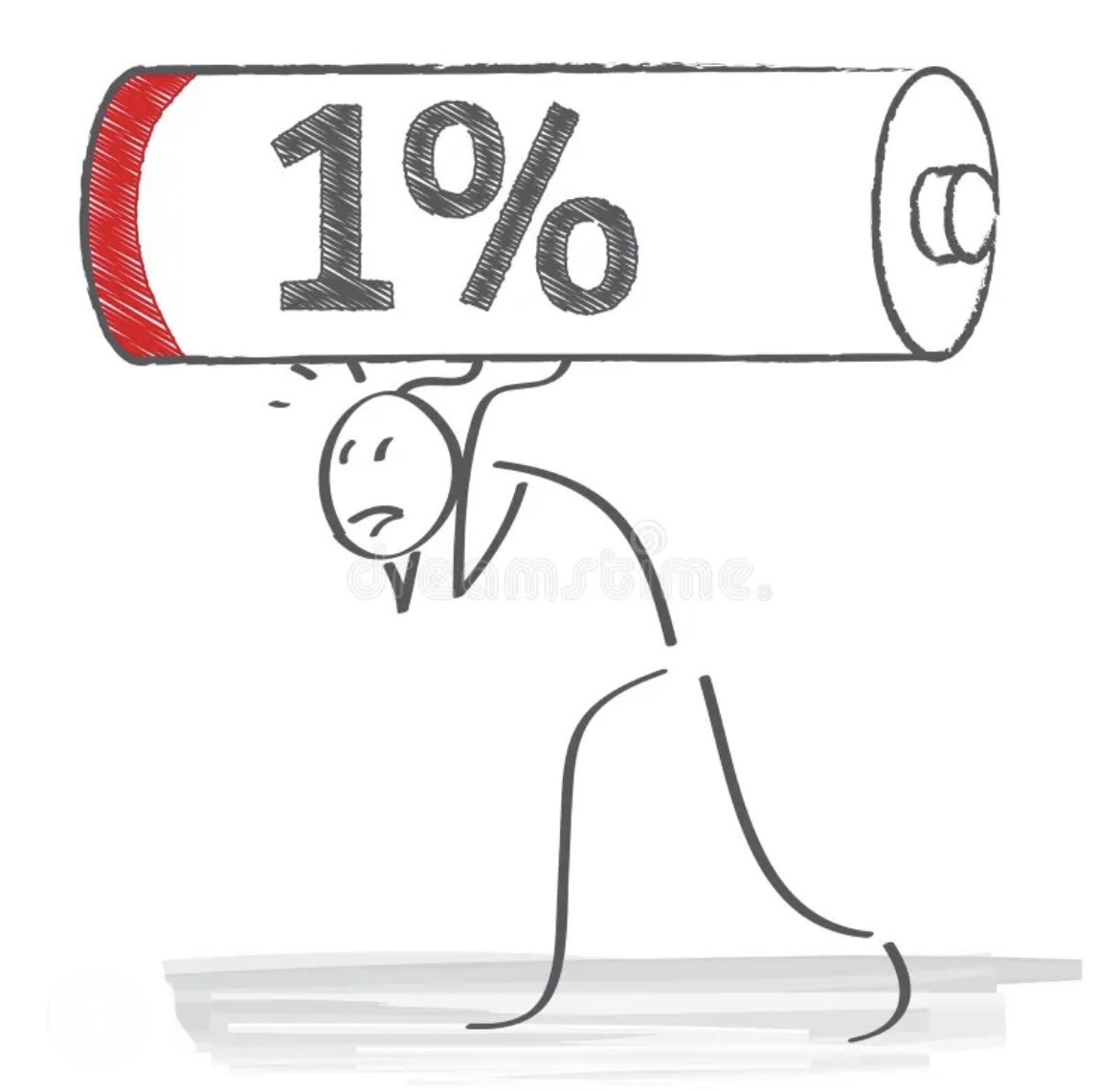
I’m really sorry you went through that. What you’re describing is a very common and very human response to trauma, especially sexual trauma. Rape isn’t just a physical violation—it’s an attack on your sense of safety, autonomy, and control. When something steals your power so violently, it can spill into every part of life, not just the moment itself.
Here are a few reasons why that powerless feeling can spread so widely:
1. Trauma disrupts your sense of control
Rape is an experience where control is taken from you. Afterward, your brain can start to assume:
- “I can’t protect myself.”
- “Nothing is in my control.”
This can show up in everyday areas—relationships, decisions, confidence, boundaries, even small things like what you wear or where you go.
2. Your nervous system stays in survival mode
Trauma keeps the body on high alert. When the brain is overwhelmed, it can feel like you have no energy, no clarity, and no control. That alone can create a sense of powerlessness.
3. Shame and self-blame distort how you see yourself
Survivors often feel:
- “I should’ve done something.”
- “I failed.”
That false guilt makes you feel weak or incapable, even though none of it was your fault.
4. Trauma affects identity
Sexual violence can shake your sense of:
- Who you are
- What you deserve
- How much power you have
- Whether you matter
Losing that inner grounding can make every part of life feel unstable.
5. Silence or invalidation from others worsens it
If you weren’t supported, or if people minimized or dismissed your pain, the powerlessness can deepen. Being unheard or misunderstood reinforces the sense that you don’t have agency or voice.
What matters most right now:
That powerless feeling wasn’t a reflection of who you are. It was a reflection of what happened to you.
And the fact that you’re talking about it now means you’re reclaiming pieces of your power already.