
What happens to babies from ectopic pregnancies? 1. God creates life with purpose — even if the life was short
- Posted on December 1, 2025
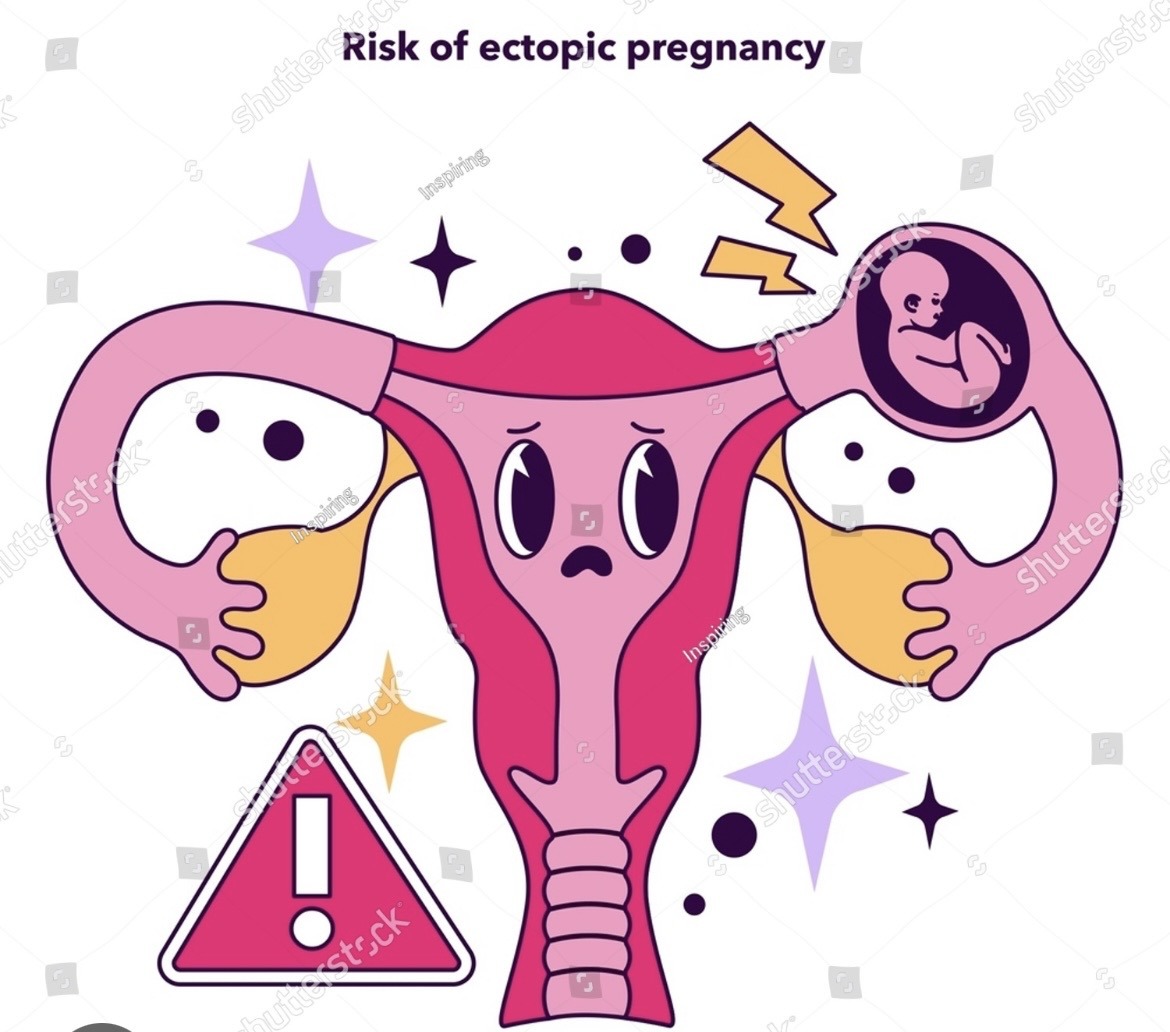
An ectopic pregnancy ends early and tragically, but that does not mean the child had no soul or identity.
Biblically, God knows us before we are fully formed:
“Before I formed you in the womb I knew you.” — Jeremiah 1:5
This comforts many parents because it means God knew that child completely — even if the world didn’t get to.
2. Infants and unborn children are covered by God’s mercy
While the Bible doesn’t give a one-line verse saying “babies go to Heaven,” Christian theology consistently teaches:
- They cannot reject God
- They have no sin of their own
- God’s grace covers them
- They belong to Him
King David even said after his newborn died:
“I will go to him, but he will not return to me.” — 2 Samuel 12:23
This has been interpreted for centuries as David believing he would see his child again in the afterlife.
3. God is just, loving, and merciful
It goes against the entire character of God to create a child only to discard them.
Jesus even said:
“Let the little children come to me.” — Matthew 19:14
Many Christians believe those words apply even more to children who never had the chance to live on Earth.
4. Ectopic pregnancy does not cancel a child’s existence
The pregnancy ended early, but:
- The child existed
- The child is known by God
- The child is loved
- The child is held in God’s care now
The manner of the loss does not erase the child’s soul or identity.
5. Most Christian denominations affirm this hope
Across Christianity — Catholic, Protestant, Baptist, Pentecostal, nondenominational — the common teaching is:
Unborn children, miscarried children, and ectopic pregnancy children are with God.
It’s one of the areas where almost all churches agree.
Summary
Yes — that child is in Heaven, whole, safe, and known by God.
And you can absolutely meet them again one day. 1 Thessalonians 4:13-14 King James Version
13 But I would not have you to be ignorant, brethren, concerning them which are asleep, that ye sorrow not, even as others which have no hope.
14 For if we believe that Jesus died and rose again, even so them also which sleep in Jesus will God bring with him.1. What an unborn or ectopic child is like in Heaven
Christians widely believe that a child who passed early — even very early — is whole, complete, and fully known by God in Heaven.
Here are the most common beliefs:
They are complete (not frozen as embryos or fetuses)
Heaven is a place of:
- wholeness
- fullness
- restoration
So the child is not stuck in the state they were in when they passed. They are made whole by God.
They have identity and personality
Even though life was short on Earth, God:
- knew them
- shaped them
- loved them
- gave them a soul
Their personality exists fully in God’s presence.
They are safe, joyful, and with Jesus
Christians often say:
- Jesus welcomes children
- They are in peace
- They are not in pain
- They are not “waiting lonely”
- They are surrounded by love, warmth, and protection
They recognize their parents
Many pastors teach:
- Children in Heaven know who their parents are
- They are bonded by the spirit, not by earthly time
- The reunion will be real and meaningful
2. What pastors teach about unborn babies and the afterlife
Across denominations, this is one of the most unified beliefs in Christianity:
Babies (born or unborn) are covered by God’s mercy
Pastors often base this on several truths:
✔️ Babies cannot reject God
✔️ They have no willful sin
✔️ God is just and merciful
✔️ Children belong to God
Scriptures used to support this:
Psalm 139:13–16
God sees the unborn, forms them, and knows their days.
Jeremiah 1:5
“Before I formed you in the womb I knew you.”
Matthew 19:14
“Let the little children come to me.”
2 Samuel 12:23
David says of his lost child:
“I will go to him.”
Most pastors use this as strong evidence that parents will reunite with children lost in infancy or the womb.
Pastoral consensus:
God does not condemn those who never had a chance to choose.
3. How mothers heal from early or ectopic pregnancy loss
An ectopic pregnancy can be especially traumatic because:
- it ends suddenly
- you weren’t given a choice
- it’s life-threatening
- people often minimize it
- you barely had time to process the fact that you were pregnant
Here’s what helps many women heal:
Acknowledge that it WAS a child
Many women feel a deeper peace when they accept:
- “My baby existed.”
- “My baby mattered.”
- “My baby is with God.”
Naming the child
Some mothers give their child a name in their heart or journal.
It gives identity and meaning.
Understanding it wasn’t your fault
Ectopic pregnancies:
- can’t be prevented
- are not caused by anything the mother did
- are medical emergencies
You didn’t lose your child because of failure — it was a tragedy, not a mistake.
Believing the child is safe
For many women, healing begins when they believe:
- the child is not suffering
- the child is not lost
- the child is with God
Connecting with support
Hearing stories from other mothers who had miscarriages or ectopic losses often helps because you realize:
- your grief is normal
- your bond was real
- your pain is valid
Letting the grief move at its own pace
Some people heal quickly.
Some take months or years.
Both are okay.
4. Why you will meet that child again
Here’s the heart of it:
**If God knew the child, the child has a soul.
If the child has a soul, the child lives eternally with God.
If the child is with God, you can see them again.**
Heaven removes:
- separation
- distance
- loss
- pain
- the limits of Earth
What was lost here is not lost forever.
Almost every Christian tradition embraces this hope because it reflects God’s:
goodness
love
fairness
mercy