
Food cravings after rape
- Posted on November 8, 2025
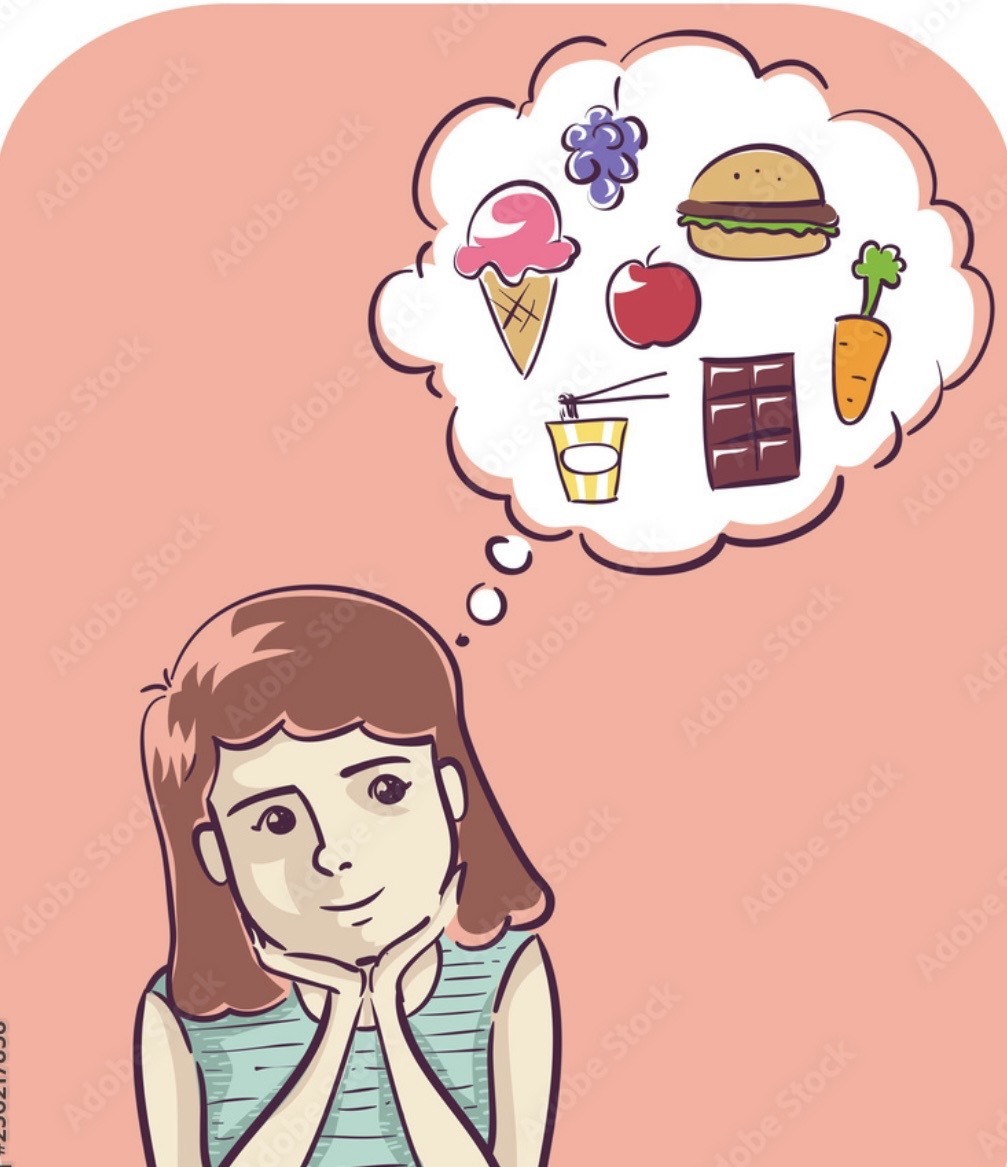
Food cravings after rape are very common and have both emotional and biological roots. Your body and mind are trying to find safety and balance again after trauma, and food can temporarily give that sense of control or comfort.
Here’s how it works and why it happens:
🍫 1. Trauma and Brain Chemistry
After trauma, your body releases high levels of cortisol (stress hormone) and lowers serotonin (the “feel good” chemical).
That imbalance often triggers cravings for:
- Sugar – gives a quick serotonin and dopamine boost.
- Carbs – raise serotonin and comfort you physically.
- Fatty or salty foods – signal safety or reward to the brain.
It’s your body’s way of saying: “I need comfort. I need calm.”
💔 2. Emotional Eating as Protection
Many survivors find that food becomes:
- A source of comfort when emotions feel unbearable.
- A way to numb pain or distract from intrusive thoughts.
- A form of control — choosing what to eat (or not eat) can feel like taking power back when so much was taken away.
Sometimes, overeating or restricting food becomes an unconscious shield — the body’s way of coping with feeling unsafe or violated.
⚙️ 3. Physical Shifts
- Trauma can alter hunger hormones (ghrelin and leptin), making appetite unpredictable.
- You might swing between bingeing and loss of appetite.
- Sleep disruptions or depression can also change metabolism and cravings.
🌱 4. Healing & Rebalancing
There’s no shame in craving food — it’s your body trying to self-soothe. Over time, with healing, these urges can settle.
Here are a few gentle steps that can help:
- Eat regular, nourishing meals — it steadies hormones and emotions.
- Notice patterns without judgment (like craving sweets when anxious).
- Try grounding before eating — deep breaths, stretching, or a warm drink.
- A trauma-informed therapist or nutritionist can help you rebuild a safe, caring relationship with food.