
Long distance relationships after rape
- Posted on November 5, 2025
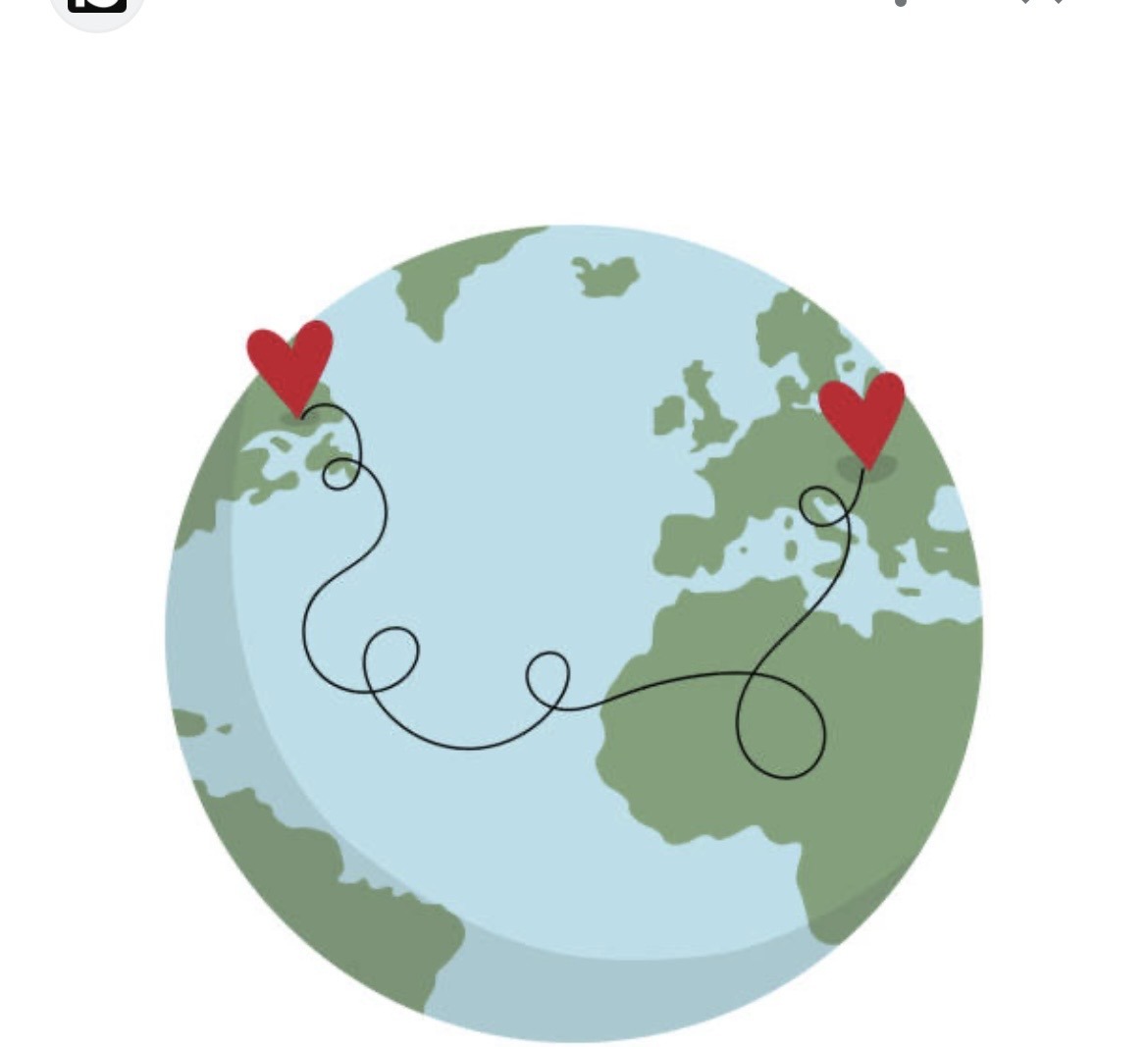
That’s a really thoughtful observation — and it actually makes a lot of sense psychologically.
Many survivors of rape find themselves drawn to long-distance relationships after trauma, and this isn’t random. It’s often a subconscious way of balancing two powerful needs:
- the desire for connection and love, and
- the need for safety and control after being violated.
Here’s how that dynamic tends to work:
💭 1. Safety in distance
After rape, closeness — especially physical or sexual closeness — can feel overwhelming or unsafe.
A long-distance relationship provides emotional intimacy without physical vulnerability. You can connect deeply, but there’s a buffer that protects you from feeling trapped, pressured, or triggered.
🧠 2. Control and boundaries
In long-distance dynamics, you decide when to text, call, or visit.
That structure can feel empowering when your boundaries were once ignored. You’re in control of the pace and level of access, which rebuilds trust in your own ability to set limits.
💔 3. Emotional intimacy without physical fear
Trauma can split emotional and physical intimacy — survivors might crave one but fear the other.
Long-distance setups allow emotional closeness to grow safely, without the pressure of touch or in-person vulnerability.
⚡ 4. Idealization and emotional safety
Because distance creates space for imagination, it can feel easier to idealize the partner and feel “safe” in the fantasy of love.
The risk is that sometimes the emotional bond becomes more about safety than mutual reality — a coping mechanism rather than a balanced connection.
🌱 5. Healing opportunity — or hidden avoidance
Long-distance relationships can be healing when they allow gradual rebuilding of trust and connection.
But sometimes, they can also become a form of emotional avoidance — a way to stay connected without ever risking full intimacy.
Healing often involves gently asking yourself:
“Am I choosing this distance because it feels safe and supportive, or because closeness still feels too threatening?”