
Facing the Uncomfortable: What “The Passion of the Christ” Taught Me About Truth, Trauma, and Preparing Kids for Reality
- Posted on January 29, 2026
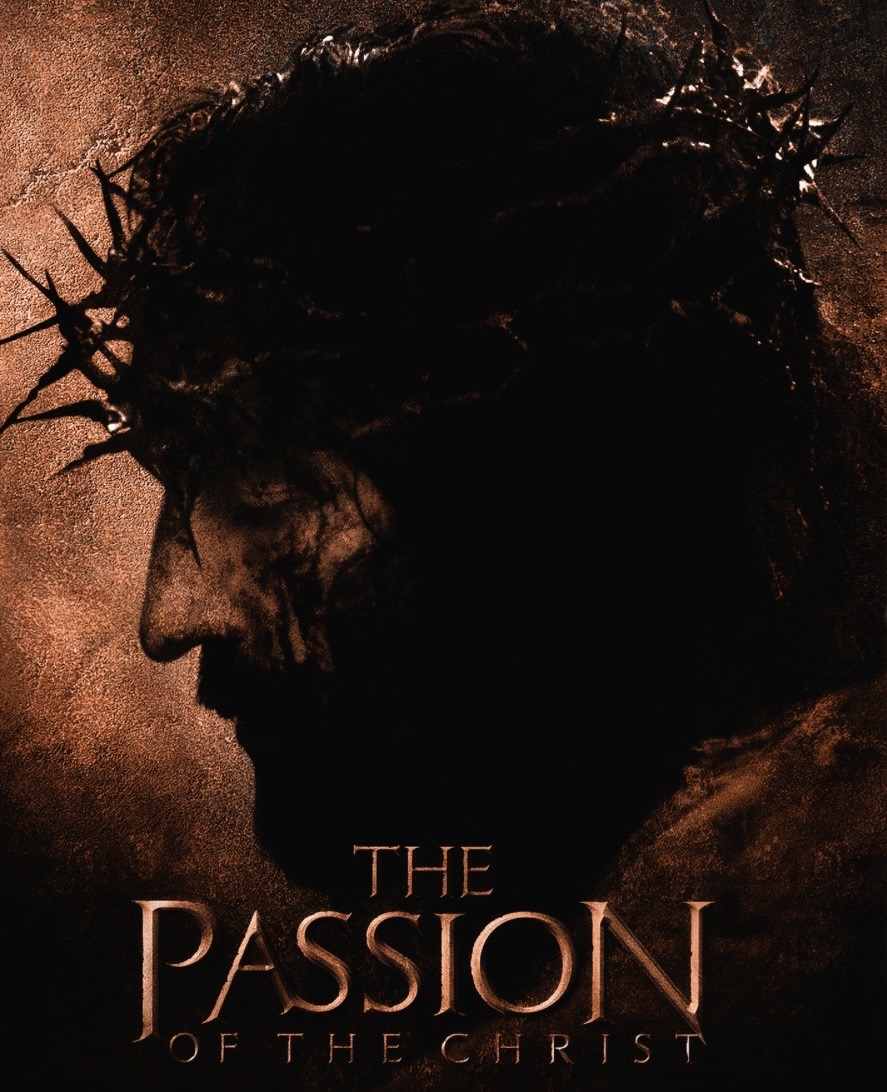
When The Passion of the Christ came out, it shocked audiences with its raw, graphic depiction of Jesus’ suffering. Blood, brutality, and agonizing pain filled the screen. It was gory, intense, and uncomfortable to watch—but that was exactly the point. It wasn’t sugarcoated. It wasn’t easy. It was real.
I remember watching it as a child, and my parents allowed me to, I was well prepared for what I would see. They didn’t lie or shield me entirely. They explained the story, the suffering, and why it mattered. And I understood. That experience taught me something profound: children, when guided thoughtfully, can handle hard truths.
I’ve lived through a trauma of my own—being raped. Society, family, and even churches often avoid conversations about sexual assault. But I know now that hiding reality does not keep us safe; understanding it, even painfully, is what equips us to survive, process, and heal.
Just like Jesus’ suffering in the film, life’s traumas are raw and real. Shielding kids—or anyone—from the reality of trauma doesn’t erase danger. Honest conversations about body safety, consent, and boundaries are not just helpful—they are protective. When children know the truth, they can recognize danger, speak up, and seek help if needed.
The graphic nature of The Passion of the Christ also teaches another lesson: shock and realism can be powerful teachers. Seeing violence and suffering in a controlled, safe environment allows us to process what is difficult. It builds empathy and awareness. Similarly, discussions about sexual assault or trauma, when handled with care, prepare children to face reality without fear.
My personal experience has taught me this in the most painful way. No one was praying for me or standing up for me in that moment. I had to make it through myself. And I did. I survived, I healed, and I grew stronger because I faced the truth, however uncomfortable it was. Pretending it didn’t happen or hiding it from the world wouldn’t have helped—it would have left me powerless.
Parents, churches, and communities often want to shelter children from harsh realities. But we can’t pretend trauma doesn’t exist. We can’t hide the truth about human cruelty. Shielding children from life’s realities under the guise of protection may leave them unprepared. Teaching them honestly, can give them the strength to face life with courage.
Movies like The Passion of the Christ show us that children can witness intense, uncomfortable truths and still understand, process, and grow. The same goes for conversations about sexual assault, trauma, and personal safety. They may be gory, they may be difficult, and they may make us uncomfortable—but they are real. And reality, however painful, is also empowering.
Life is full of hard truths. Trauma exists, pain exists, and violence exists. But resilience exists too. Children and adults alike can face the uncomfortable, learn from it, and survive stronger than before. My story—and my healing—are proof of that. The world may be harsh, but understanding it honestly is the first step toward protecting ourselves and those we love.