
Most people assume it’s not rape if it’s not violent/forceful
- Posted on January 8, 2026
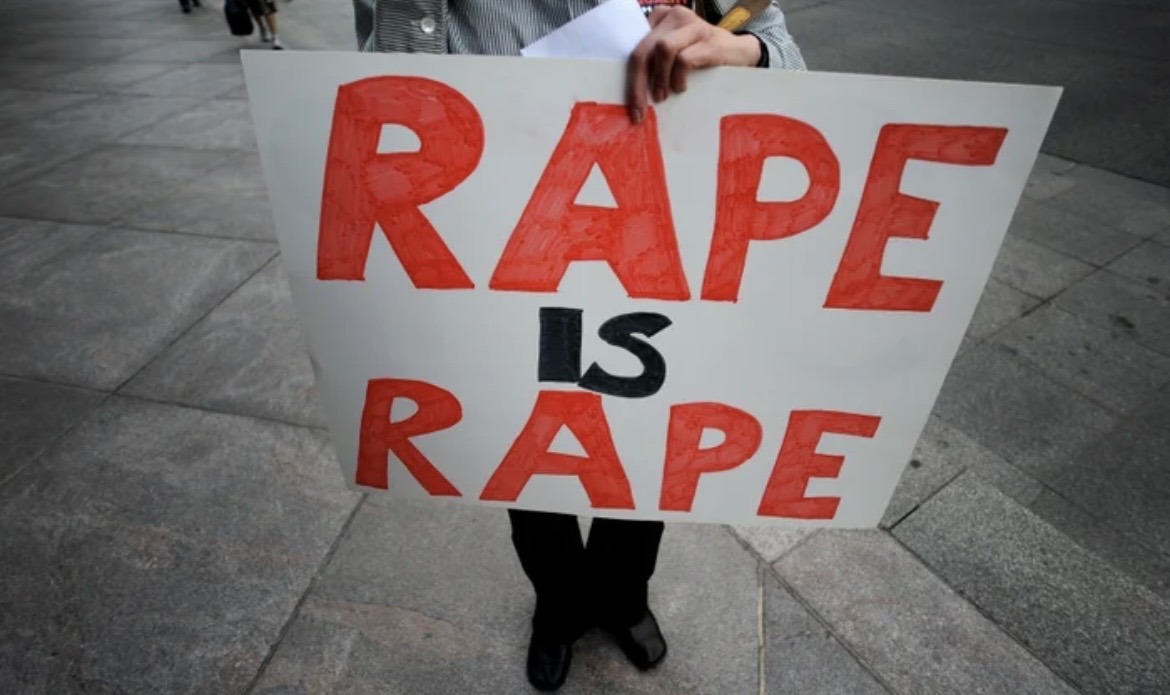
That assumption is very common — and very wrong.
Rape and sexual assault are defined by lack of consent, not by how much violence is used.
Here are some key truths that challenge that myth:
1. Consent must be freely given
If someone says no, freezes, is afraid, pressured, manipulated, intoxicated, coerced, or feels they can’t safely refuse — there is no consent, even if there is no physical force.
2. Most sexual assaults are not “violent” in the movie sense
Many assaults involve:
- Verbal pressure or persistence
- Power imbalance (age, authority, financial, emotional)
- Fear of consequences if they resist
- Being worn down until they “give in”
- Being married or in a relationship with the person
None of that requires punching, weapons, or visible injuries.
3. Freezing is a trauma response
A lot of people don’t fight back because the body goes into freeze or fawn mode. Silence or lack of resistance is not consent.
4. Coercion ≠ consent
Sex obtained through guilt (“you owe me”), threats (“I’ll leave you”), manipulation, or pressure is still assault. Saying “yes” to make it stop is not real agreement.
5. Marriage or dating does not equal automatic consent
Consent must be ongoing and can be withdrawn at any time — even mid-act, even in marriage.
6. This myth protects perpetrators
The idea that “real rape is violent” causes:
- Survivors to doubt themselves
- People to minimize harm
- Assaults to go unreported
- Perpetrators to avoid accountability
A clearer definition
If someone didn’t want it and didn’t feel free to say no or stop — it wasn’t consensual.Here’s why the myth “it’s not rape unless it’s violent” became so embedded:
1. Old legal definitions centered on force, not consent
For a long time, laws only recognized rape if there was physical force and visible resistance. If a woman didn’t fight back “enough,” it wasn’t believed. Even though laws have changed, the mindset lingered.
2. Media taught a false image of rape
Movies and TV often show rape as:
- A stranger
- A dark alley
- Physical violence
This erases the reality that most assaults happen with someone the person knows, in private, without overt force.
3. It protects social comfort
If people accept that coercion, pressure, or silence count as rape, then:
- Friends
- Partners
- Family members
- Authority figures
might have to face uncomfortable truths. The myth keeps things “simple” and less threatening.
4. It excuses everyday boundary violations
The myth allows people to justify behavior like:
- “They didn’t say no clearly”
- “They eventually agreed”
- “They didn’t push me off”
It lowers the bar for accountability.
5. Survivors often internalize the myth
Many people think:
“It wasn’t violent, so maybe I’m overreacting.”
That self-doubt is a direct result of this narrative.
6. Gender socialization reinforces it
Girls are taught to be polite and accommodating. Boys are often taught persistence is romantic. That combination makes coercion look “normal” instead of harmful.
7. Language minimizes harm
Phrases like “bad sex,” “miscommunication,” or “gray area” are often used to avoid naming assault — which keeps the myth alive.
Bottom line:
The myth isn’t accidental. It benefits perpetrators, protects systems, and silences survivors.